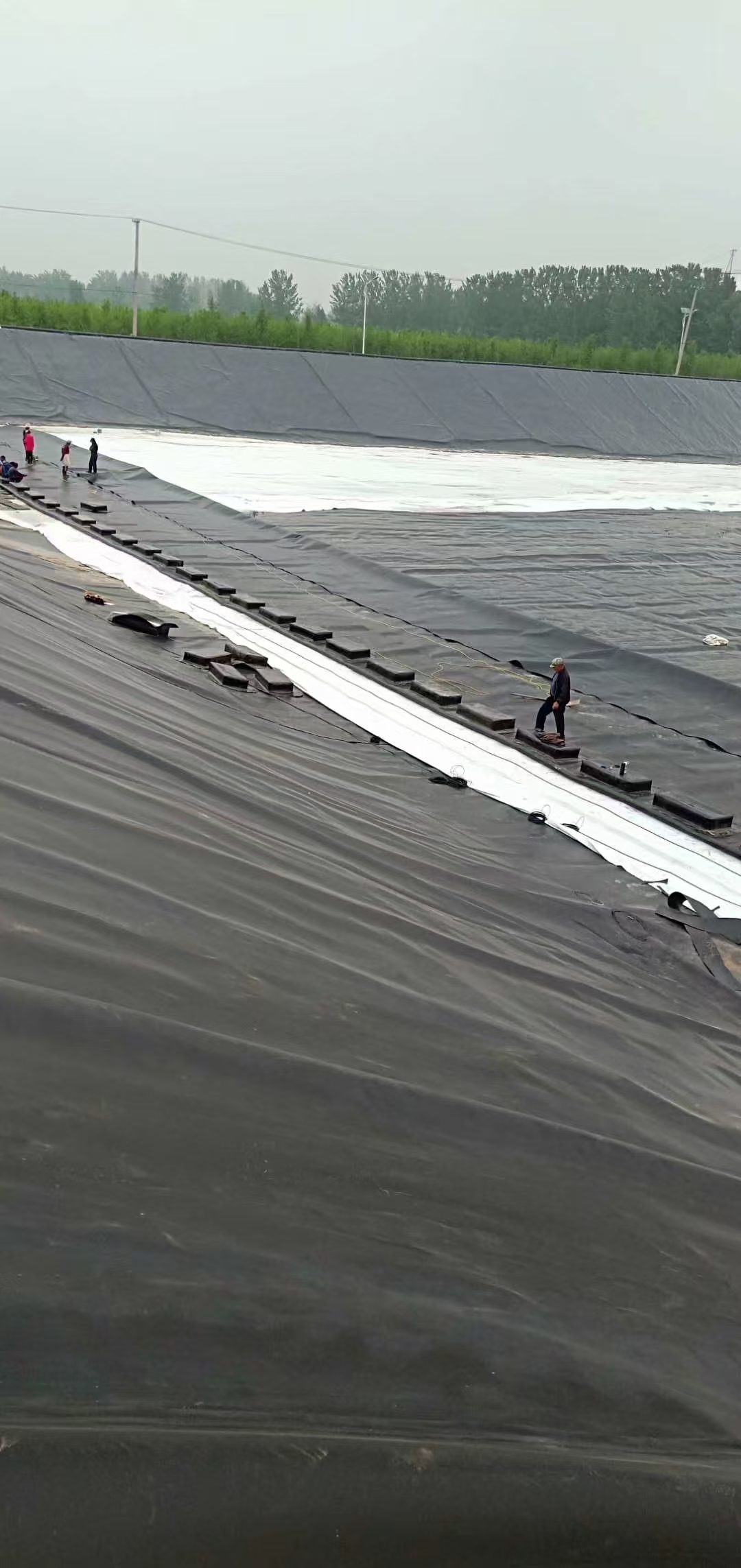
1. Composite Geomembrane Product Introduction
1.1 Overview
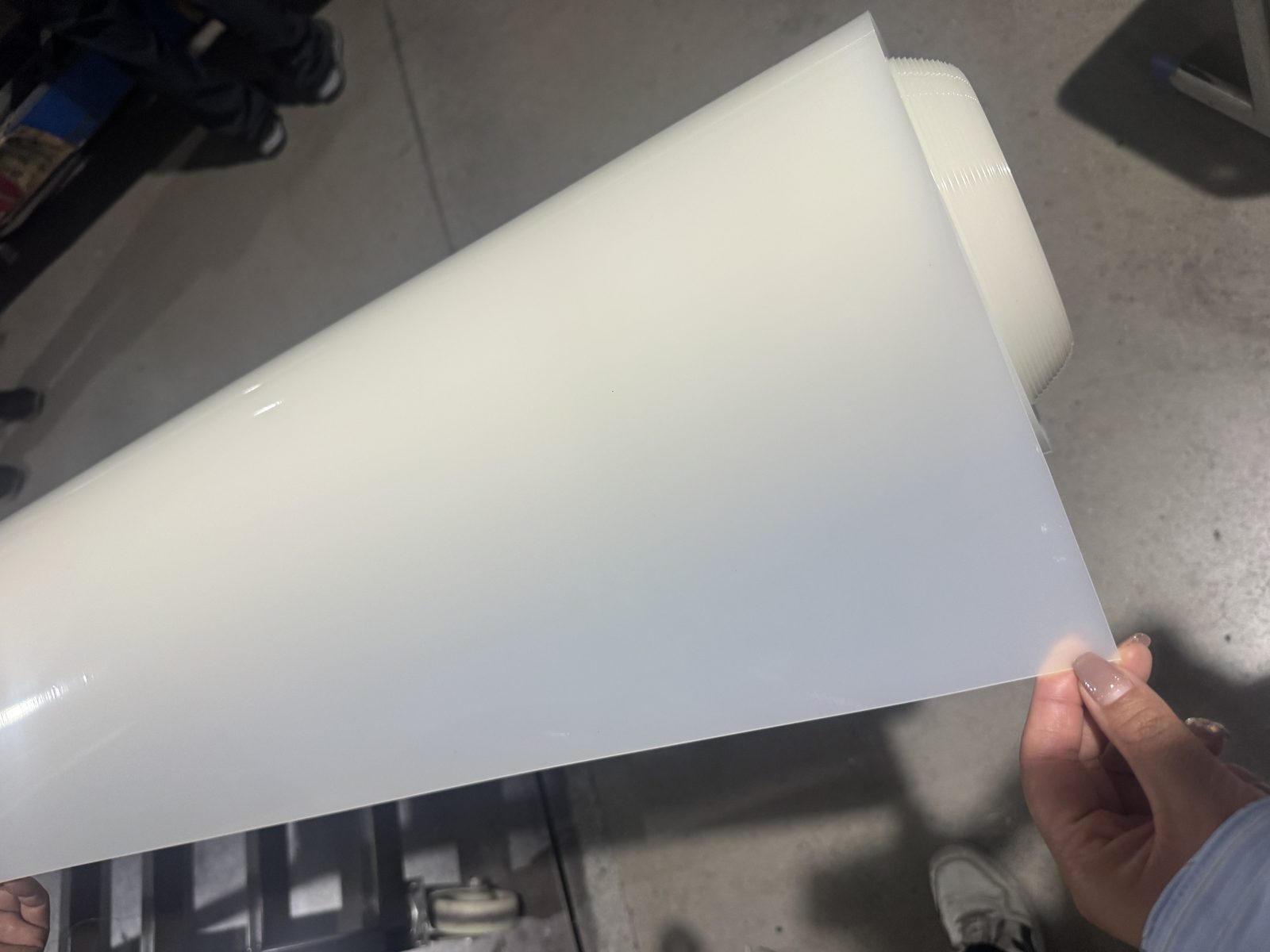
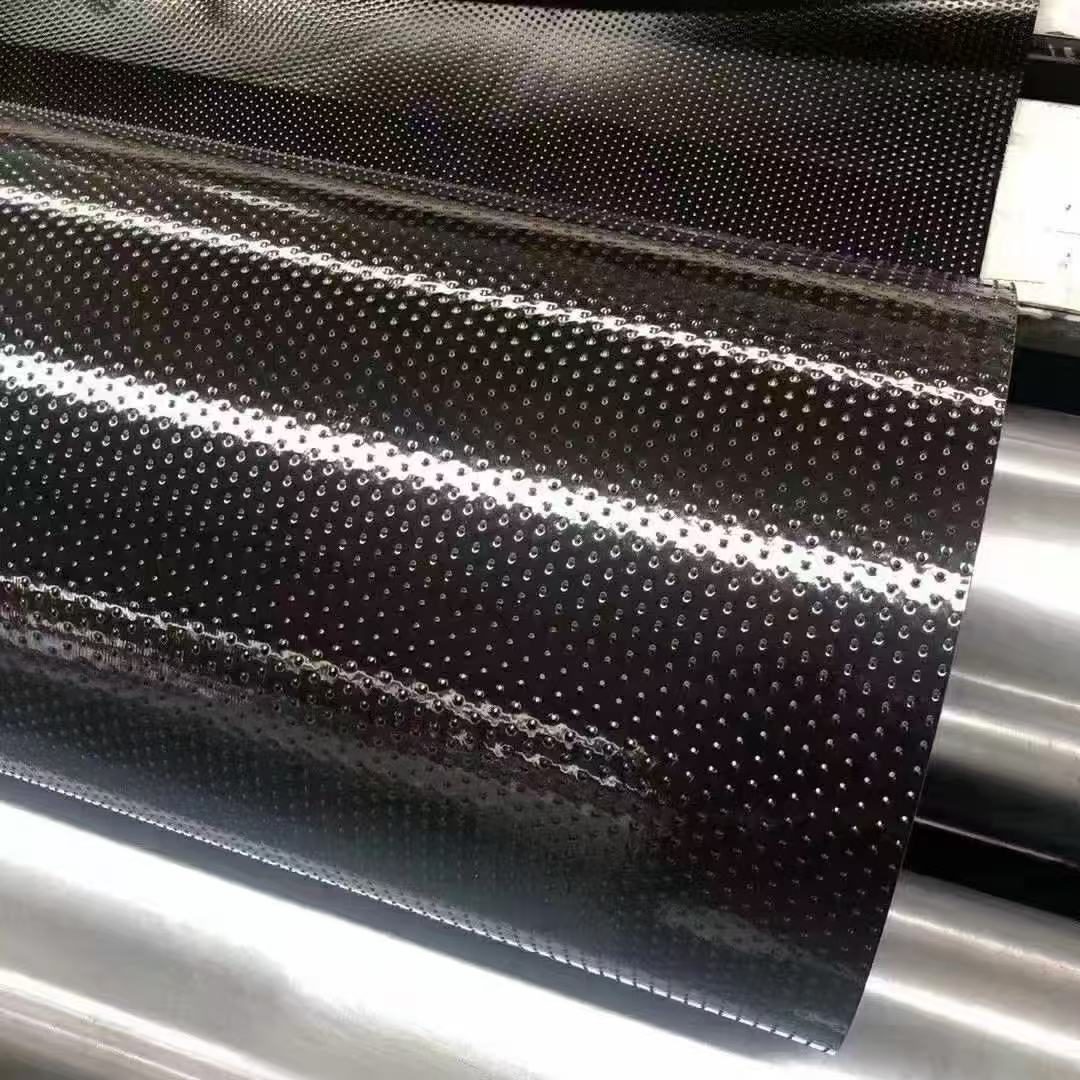
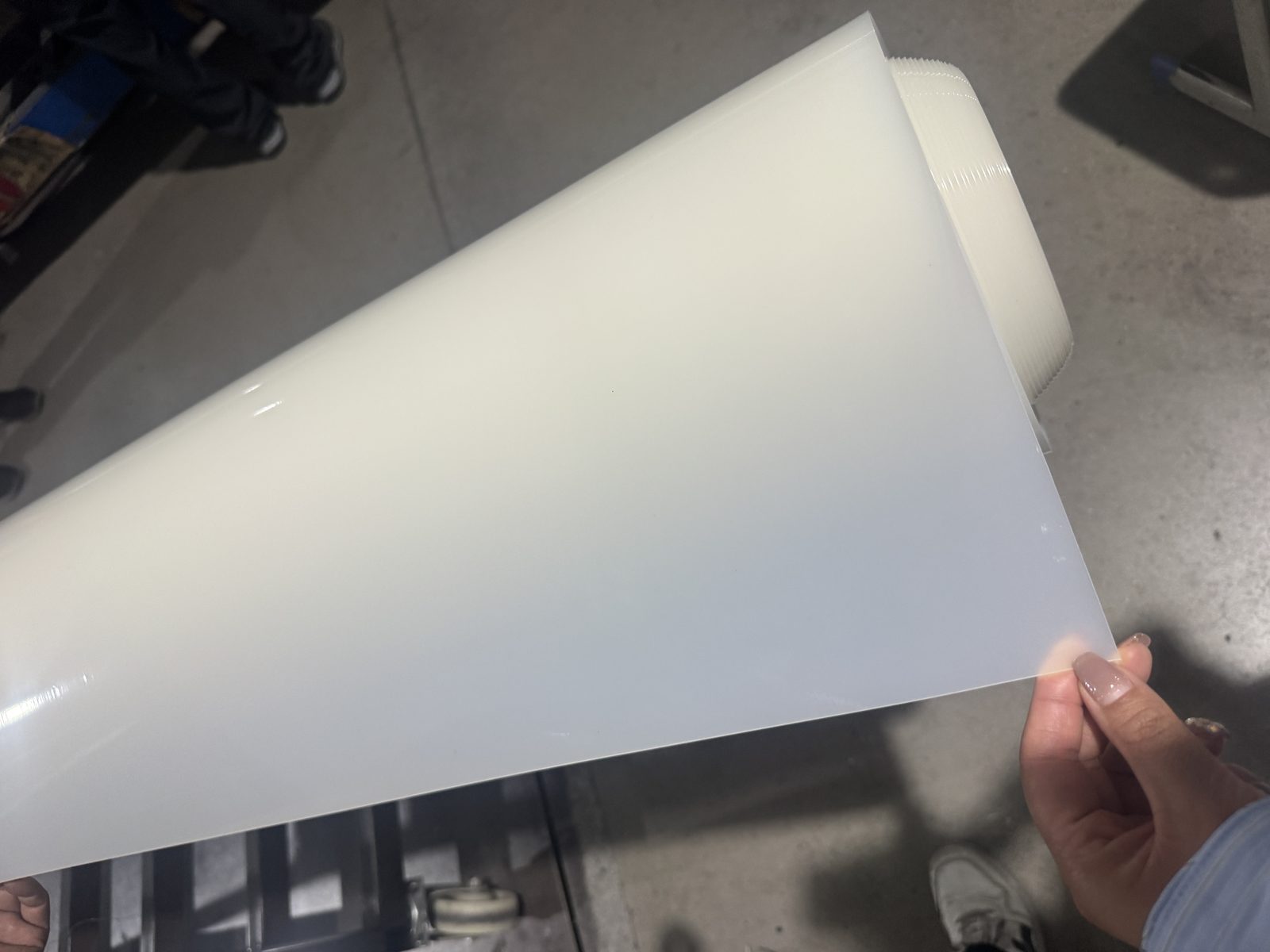
Composite geomembrane is a geomembrane heat-bonded to a nonwoven geotextile. The geotextile protects the membrane during installation and provides a filter or drainage function, so one product does two jobs.
It is supplied with geotextile on one side or on both sides, depending on the direction of the load and the surface it is placed on.
1.2 Standard specification
1.3 Where it is used
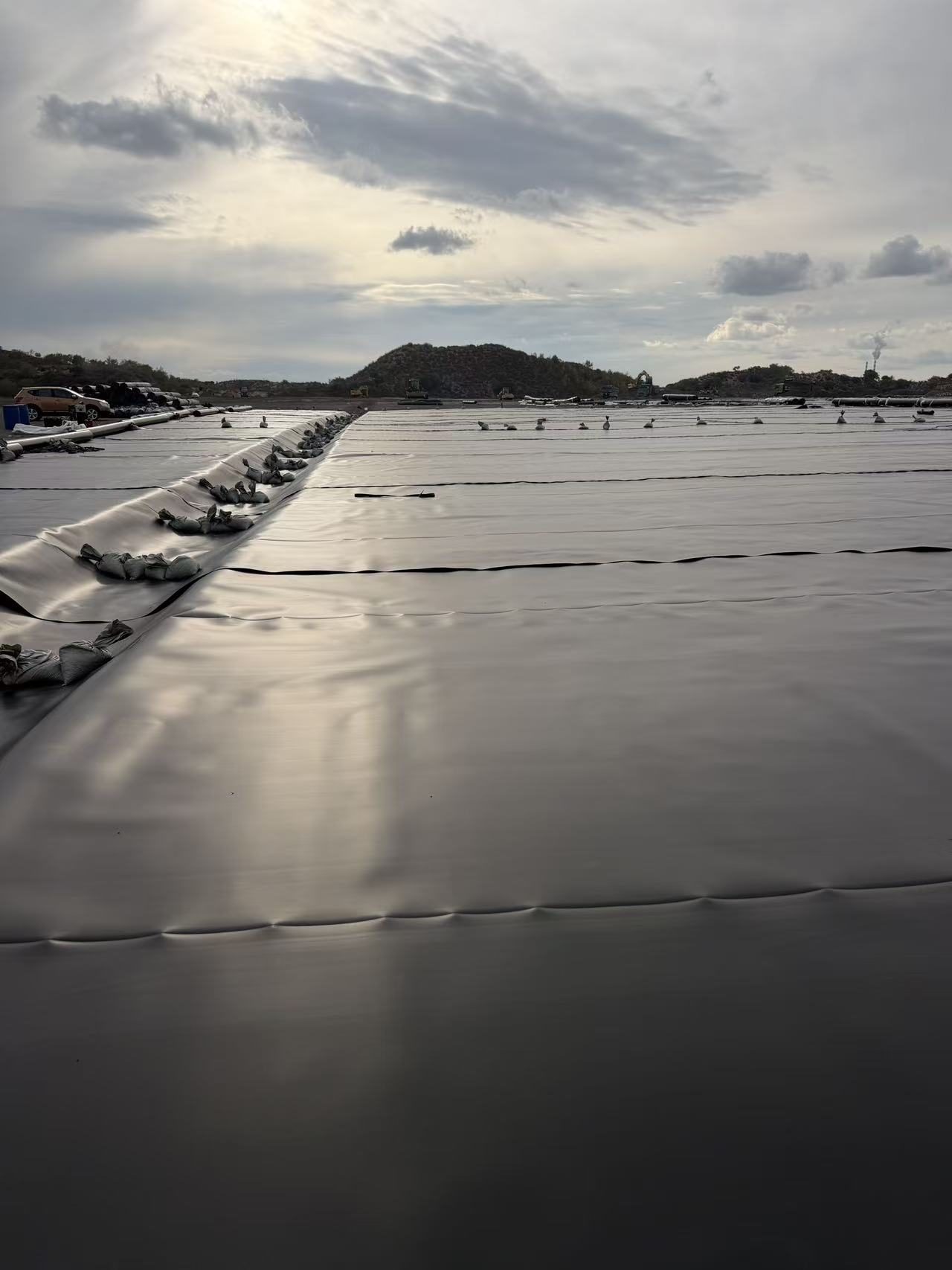
This product is supplied for reservoirs, canals and dams, fish and shrimp ponds, landfill base lining and capping. Each application has its own loading, chemistry and slope conditions, so the grade and the layers around it are confirmed per project.
- Water Conservancy & Reservoirs — Reservoirs, canals and dams
- Aquaculture & Fish Ponds — Pond liners for fish and shrimp farms
- Landfill & Waste Containment — Base lining, capping and leachate protection
2. How the grade is selected
2.1 What drives the specification
On canal and channel lining the membrane has to resist damage from the subgrade and from the cover. Bonding a geotextile to it removes a separate installation step and reduces the risk that the protection layer is omitted.
In ponds and lagoons the composite gives a more forgiving surface than a bare membrane, which matters where the base is stony or where maintenance equipment will work above the liner.
2.2 What to send with an inquiry
- Application and the loading or head of water the material has to carry
- Product type and the thickness or grade, if it is already specified
- Quantity in m² or tonnes, and the destination port
- Any drawings or specification sheets that define the build-up
3. Handling and installation
Composite panels are heavier than the membrane alone, so handling equipment has to be sized for the roll weight. Panels are unrolled with the geotextile facing the subgrade where protection is needed underneath.
Welding is carried out on the membrane face; the geotextile must be kept clear of the weld area, and the finished seam should be checked for continuity before the cover is placed.
Installation should follow the project specification and the product data sheet. The contractor remains responsible for trial work, seam testing and site quality control.
4. Quality, testing and documentation
Products are produced and tested to current Chinese national standards (GB/T). A mill test report is supplied with each batch, and technical data sheets are available on request.
The factory quality management system is certified to ISO 9001:2015, held by Shandong Lingxiang New Material Co., Ltd. and valid to 14 September 2027. Please ask us to confirm the legal entity for your contract documents.
5. FAQ
What is the difference between one-sided and two-sided composite?
One-sided has geotextile on one face for protection or filtration; two-sided has geotextile on both faces where protection is needed above and below.
Which membrane thickness is used in composite?
We produce composite with 0.5, 0.75, 1.0 and 1.5 mm membrane.
Is composite suitable for landfill?
It is used in capping and in some base applications, but the design must confirm the build-up and the protection layer.
Can it be supplied in wide rolls?
Roll width is 5.8 m subject to construction, with 50 m length as standard.
How is the geotextile attached?
The geotextile is heat-bonded to the membrane during production, not glued on site.
Does composite cost more than separate layers?
It usually costs less than buying and installing a membrane and a geotextile separately, because installation time is reduced.
6. Conclusion
Composite Geomembrane is specified from the application inwards: the thickness or grade, the roll size, the surface finish and the protection layer all follow from the project conditions. Send those conditions with your inquiry and we will confirm the build-up and quote against it.