1. HDPE Geomembrane Product Introduction
1.1 Overview
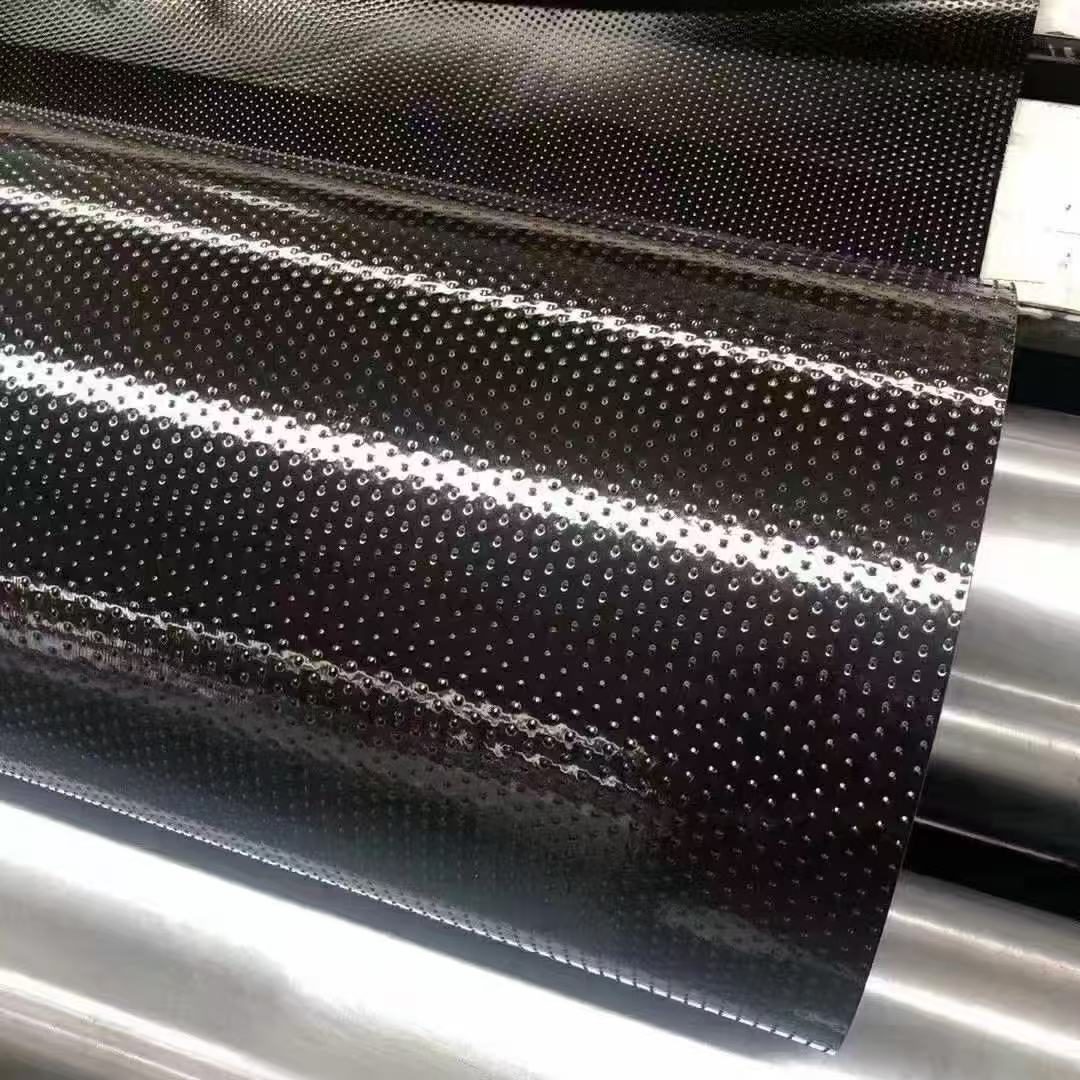
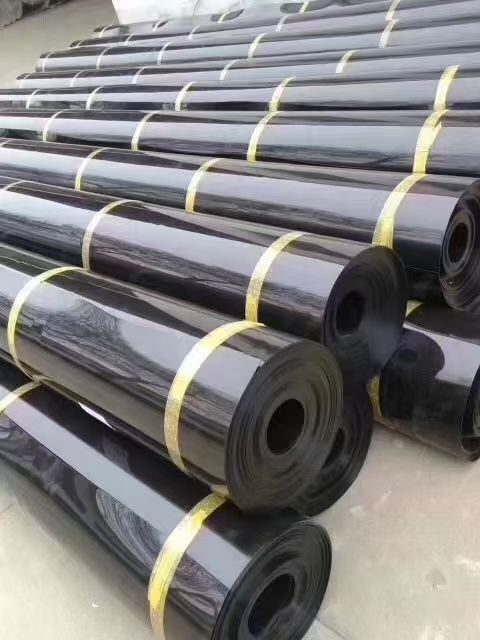
HDPE geomembrane is a high-density polyethylene sheet used as the impermeable layer in a lining system. It resists a wide range of chemicals, has very low permeability and keeps its properties when it is welded correctly on site.
This page sets out our standard thickness range, the roll sizes we produce, how the grade is chosen for different applications, and what we need in order to quote accurately.
1.2 Standard specification
1.3 Where it is used
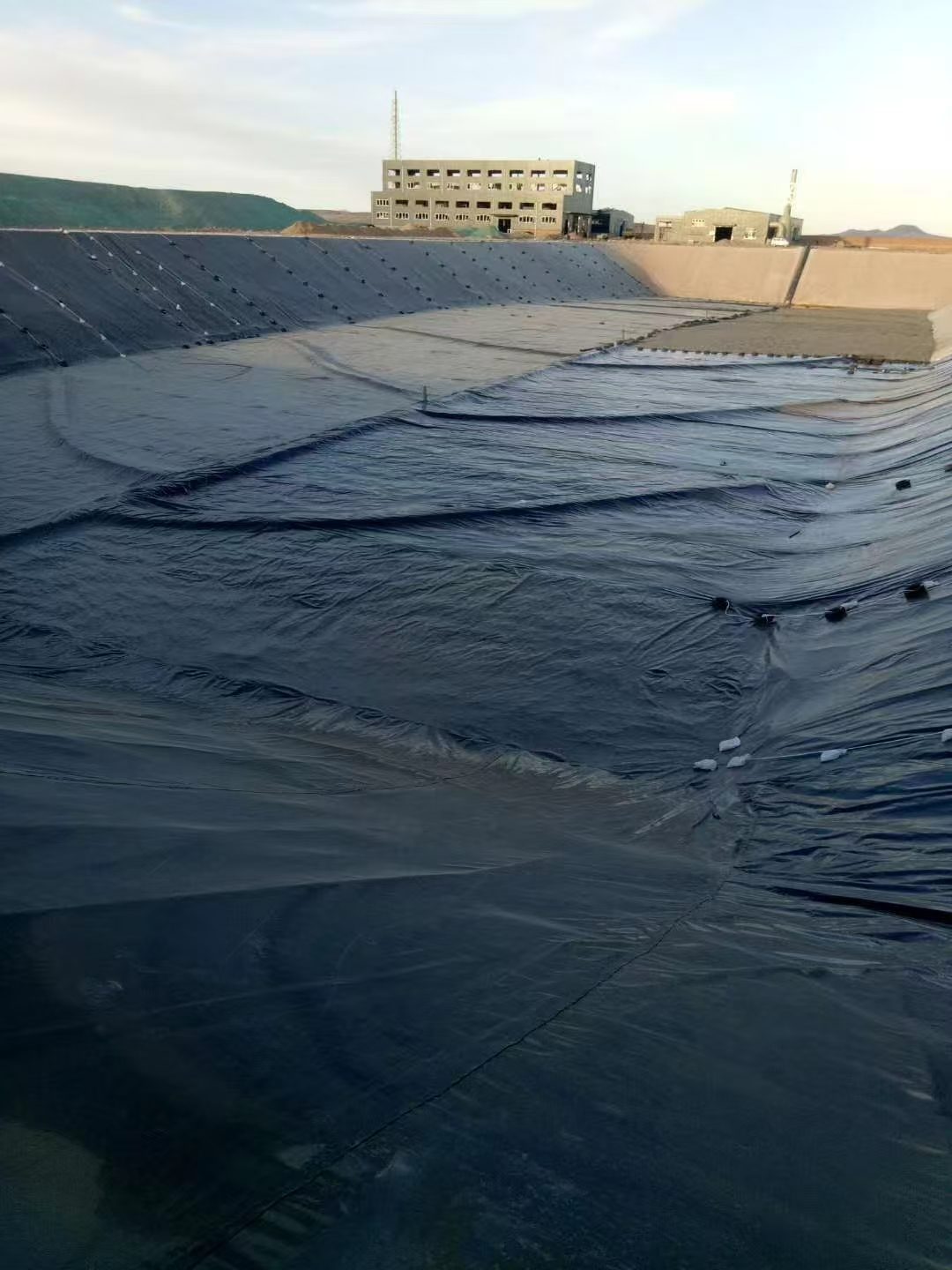
This product is supplied for landfill base lining and capping, fish and shrimp ponds, reservoirs, canals and dams, mining and tailings containment. Each application has its own loading, chemistry and slope conditions, so the grade and the layers around it are confirmed per project.
- Landfill & Waste Containment — Base lining, capping and leachate protection
- Aquaculture & Fish Ponds — Pond liners for fish and shrimp farms
- Water Conservancy & Reservoirs — Reservoirs, canals and dams
- Mining & Tailings — Heap leach pads, tailings dams and ponds
2. How the grade is selected
2.1 What drives the specification
The membrane is normally the primary barrier in a containment system. Beneath it there is usually a GCL or a compacted clay layer, and above it a protection geotextile or a drainage layer. The membrane has to survive installation and then carry the design head of water or leachate for the life of the project.
Thickness is chosen from the loading and the risk, not from habit. A small irrigation pond and a landfill cell can both use HDPE, but they do not use the same gauge, the same surface finish or the same protection layer.
2.2 What to send with an inquiry
- Application and the loading or head of water the material has to carry
- Product type and the thickness or grade, if it is already specified
- Quantity in m² or tonnes, and the destination port
- Any drawings or specification sheets that define the build-up
3. Handling and installation
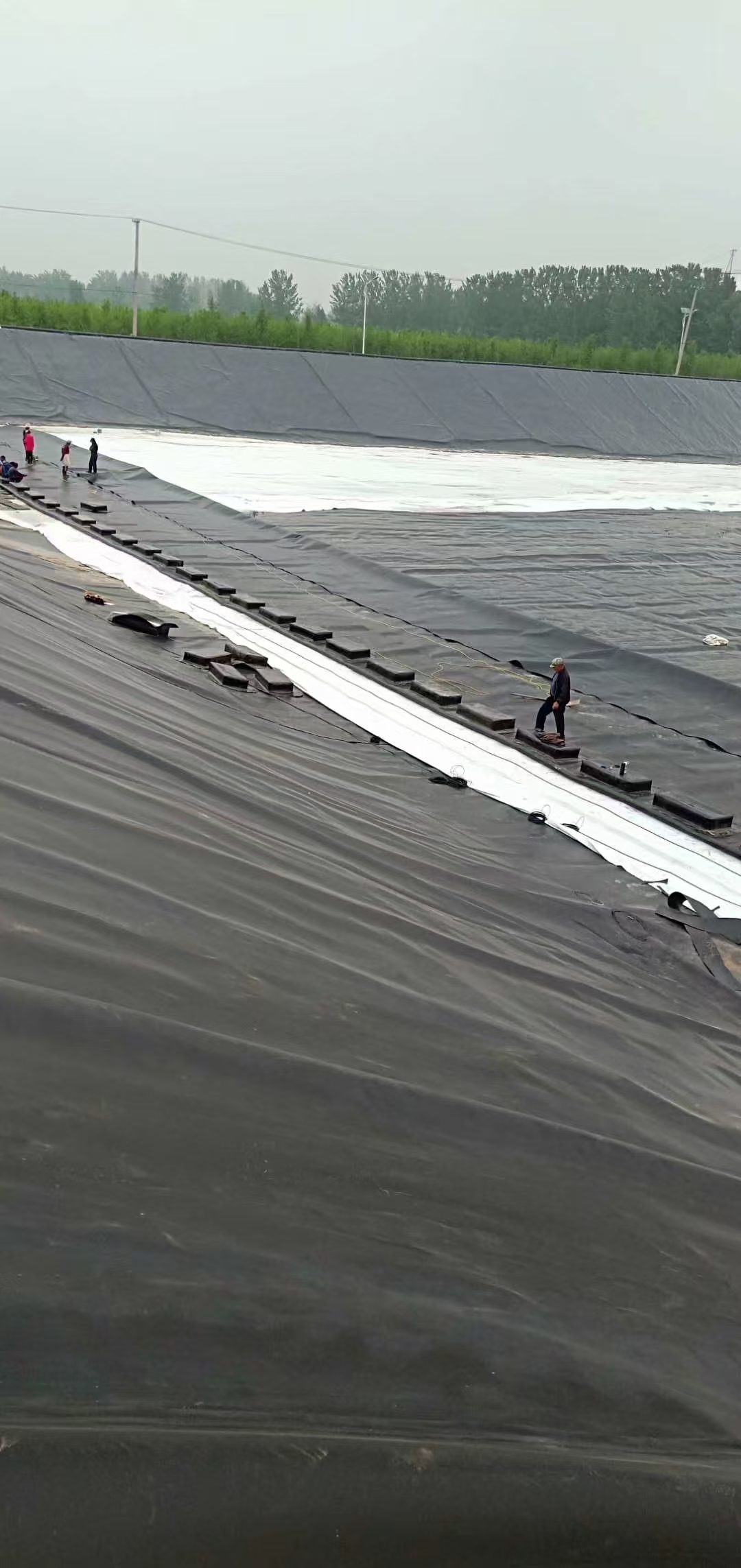
Rolls are unrolled on a prepared surface, allowed to relax, then welded with a wedge or extrusion welder. Seams are tested before the protection layer is placed. Panels should not be dragged across a rough subgrade, and the liner should not be left exposed to wind without ballast.
In hot weather the membrane expands; in cool weather it contracts. Installation planning has to allow for that movement so that the liner is not pre-tensioned when it is welded.
Installation should follow the project specification and the product data sheet. The contractor remains responsible for trial work, seam testing and site quality control.
4. Quality, testing and documentation
Products are produced and tested to current Chinese national standards (GB/T). A mill test report is supplied with each batch, and technical data sheets are available on request.
The factory quality management system is certified to ISO 9001:2015, held by Shandong Lingxiang New Material Co., Ltd. and valid to 14 September 2027. Please ask us to confirm the legal entity for your contract documents.
5. FAQ
Which thickness should I choose for a reservoir?
For most reservoirs 1.0 mm or 1.5 mm is adequate. Where the liner is exposed, where the subgrade is coarse, or where the head of water is significant, 1.5 mm is the safer starting point.
Is the 5.8 m roll width always available?
5.8 m is our standard production width across the range. If a project needs a different combination of width and length, we can confirm it against the order.
Can the liner be supplied in white?
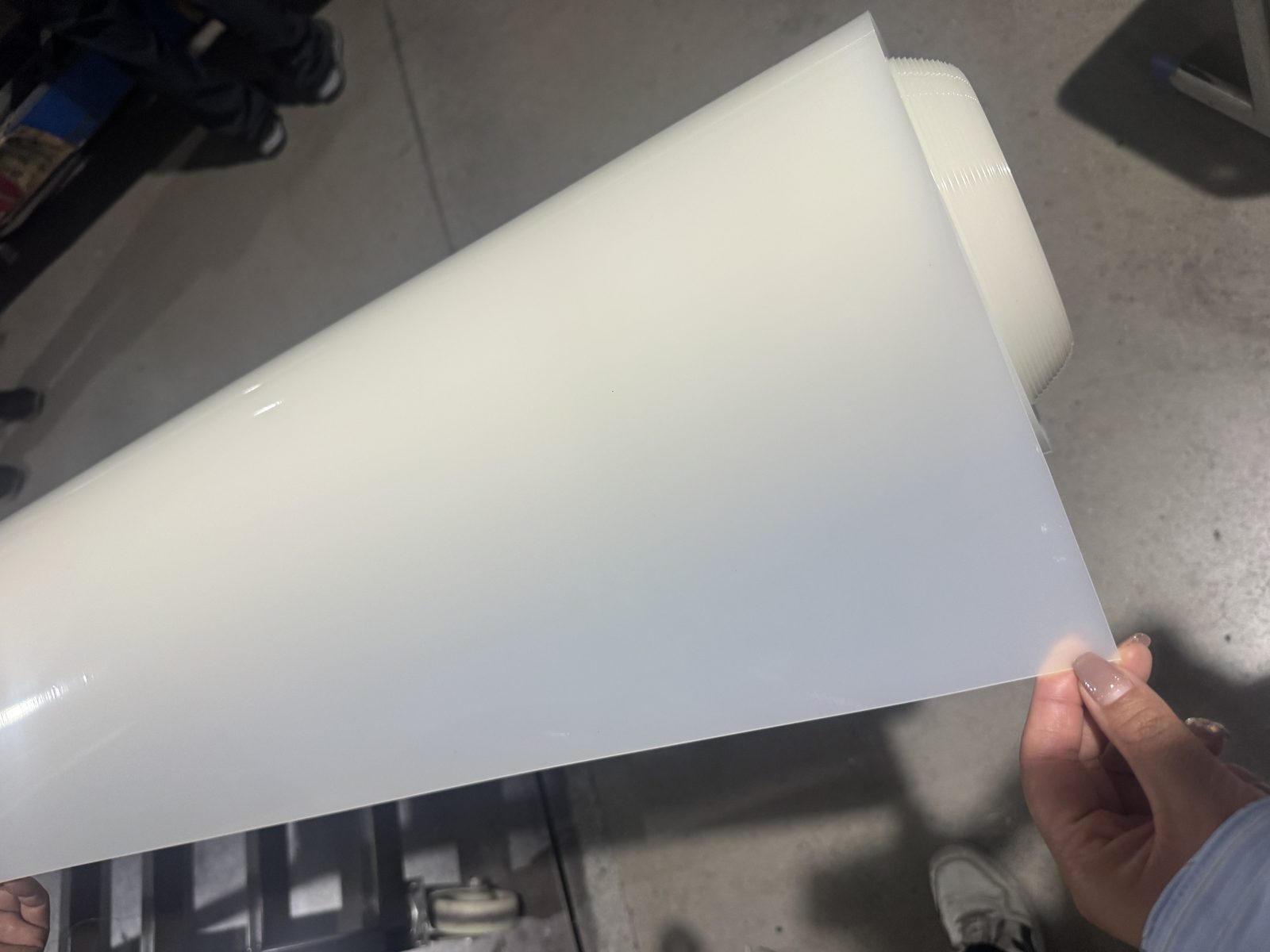
Yes. Black is standard, and white is produced for projects where heat absorption or inspection contrast matters.
How many seams will a large project have?
It depends on the panel layout, but wider rolls reduce the longitudinal seam count. On a long slope, 5.8 m rolls typically need roughly two thirds of the seams that 4 m rolls would require.
Do you supply welding parameters?
We can advise on the welding window for the gauge you order. The contractor remains responsible for trial welds and for testing on site.
What documentation comes with a shipment?
A mill test report is supplied with each batch. Certificates and technical data sheets are available on request.
Can you produce to a buyer specification?
Yes, within the production range. Send the indices you need and we will confirm feasibility before quoting.
6. Conclusion
HDPE Geomembrane is specified from the application inwards: the thickness or grade, the roll size, the surface finish and the protection layer all follow from the project conditions. Send those conditions with your inquiry and we will confirm the build-up and quote against it.