
How to choose nonwoven geotextile: mass per unit area and fibre type
Nonwoven geotextile is specified by mass per unit area and by fibre type. Both matter, and both are easy to over- or under-specify.
Learn more2026/11/14
10:08
10:08
 LINGXIANGGEOSYNTHETICS
Needle-punched nonwoven for separation, filtration and protection
Technical data sheet sent by email on request — choose “Request TDS” and we will reply with the current sheet for this product.
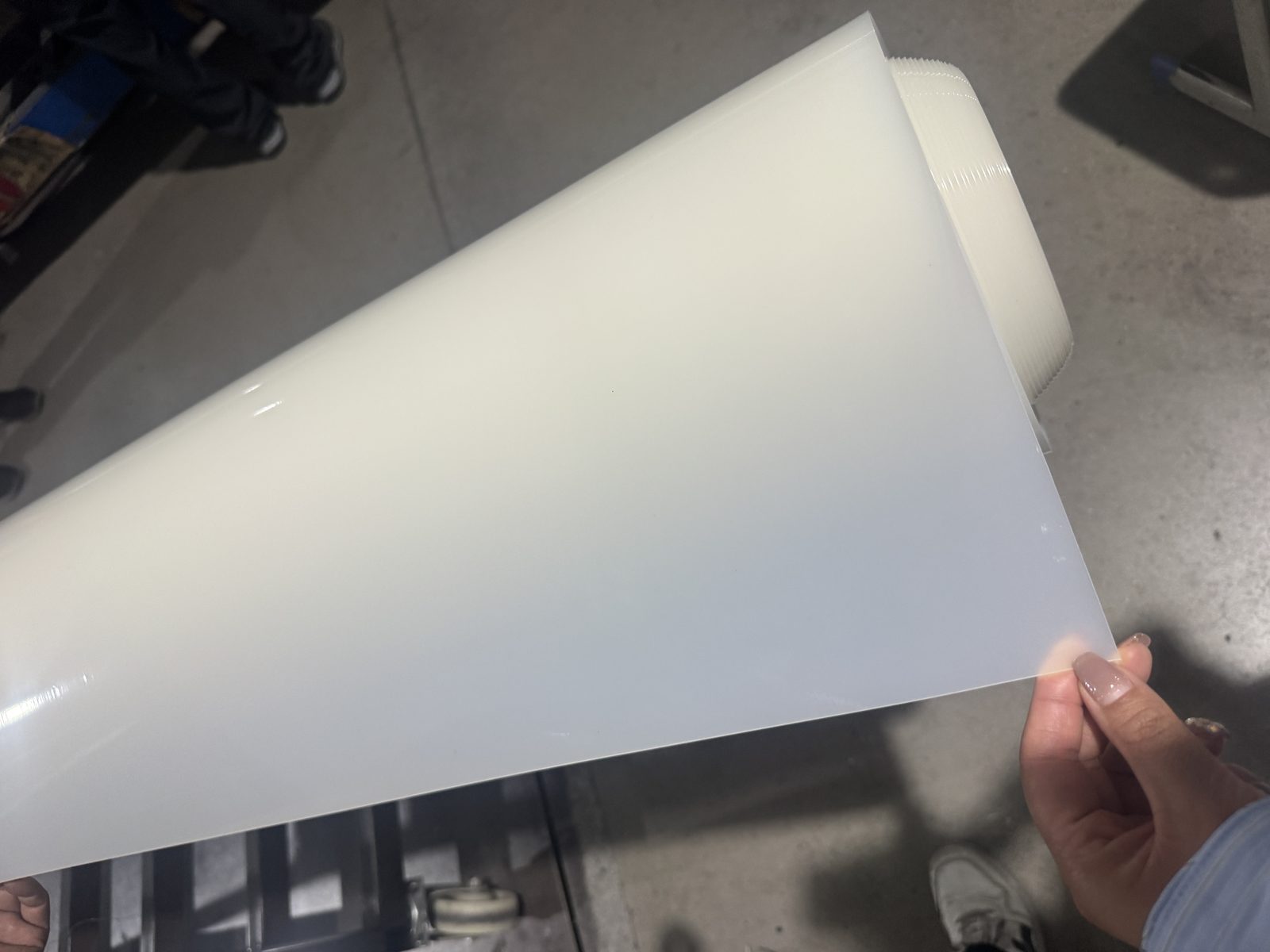
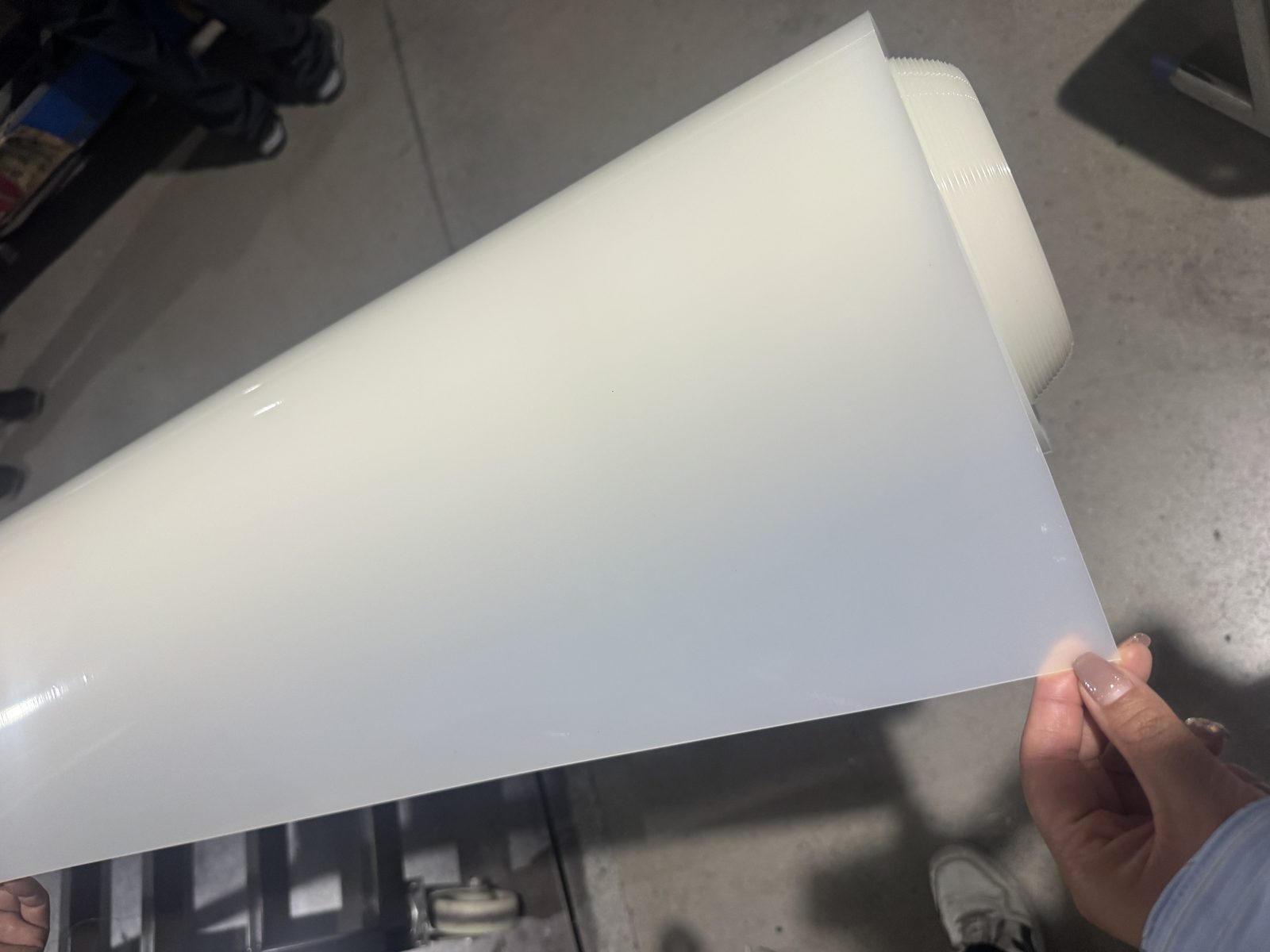
Nonwoven geotextile is a needle-punched fabric used for separation, filtration, drainage and protection. We produce staple-fibre and polyester-filament types across 200 to 600 g/m².
The grade is chosen from the job the fabric has to do: a separation layer under a road is not the same as a protection layer over a geomembrane.
| Types | Staple-fibre needle-punched; polyester filament |
|---|---|
| Mass per unit area | 200 / 300 / 400 / 500 / 600 g/m² |
| Roll width | Up to 6 m (grade dependent) |
| Typical service | Separation, filtration, drainage, protection layer |
This product is supplied for road and railway earthworks, reservoirs, canals and dams, mining and tailings containment, landfill base lining and capping. Each application has its own loading, chemistry and slope conditions, so the grade and the layers around it are confirmed per project.
Mass per unit area is the first specification line, but it is not the only one. Fibre type, tensile strength, puncture resistance and elongation all change how the fabric performs during installation and in service.
Over-specifying wastes money and makes the roll heavier to handle. Under-specifying shows up as a torn protection layer or a clogged filter, usually after the cover has been placed.
Rolls are unrolled with a controlled overlap, and the overlap is secured so that it does not open while the cover is placed. On slopes the fabric is anchored at the crest before the next roll is laid.
Geotextile should not be left exposed to sunlight for long periods unless it is UV stabilised for that use, and it should not be trafficked by construction plant without a cover.
Products are produced and tested to current Chinese national standards (GB/T). A mill test report is supplied with each batch, and technical data sheets are available on request.
The factory quality management system is certified to ISO 9001:2015, held by Shandong Lingxiang New Material Co., Ltd. and valid to 14 September 2027. Please ask us to confirm the legal entity for your contract documents.
200–300 g/m² is common for separation under pavements. The design should confirm the requirement against the subgrade condition.
Filament fabric generally gives higher tensile strength at the same mass; needle-punched staple fabric is widely used for filtration and protection.
Yes, it is a common protection grade under drainage stone, provided the stone size and the drop height are controlled.
Up to about 6 m depending on grade, which reduces overlap losses on large areas.
It can act as a filter and a drainage path, but where high in-plane flow is needed a composite drainage net is the better choice.
Yes, mill test reports are supplied with each batch.
Nonwoven Geotextile is specified from the application inwards: the thickness or grade, the roll size, the surface finish and the protection layer all follow from the project conditions. Send those conditions with your inquiry and we will confirm the build-up and quote against it.
Nonwoven geotextile is specified by mass per unit area and by fibre type. Both matter, and both are easy to over- or under-specify.
Learn more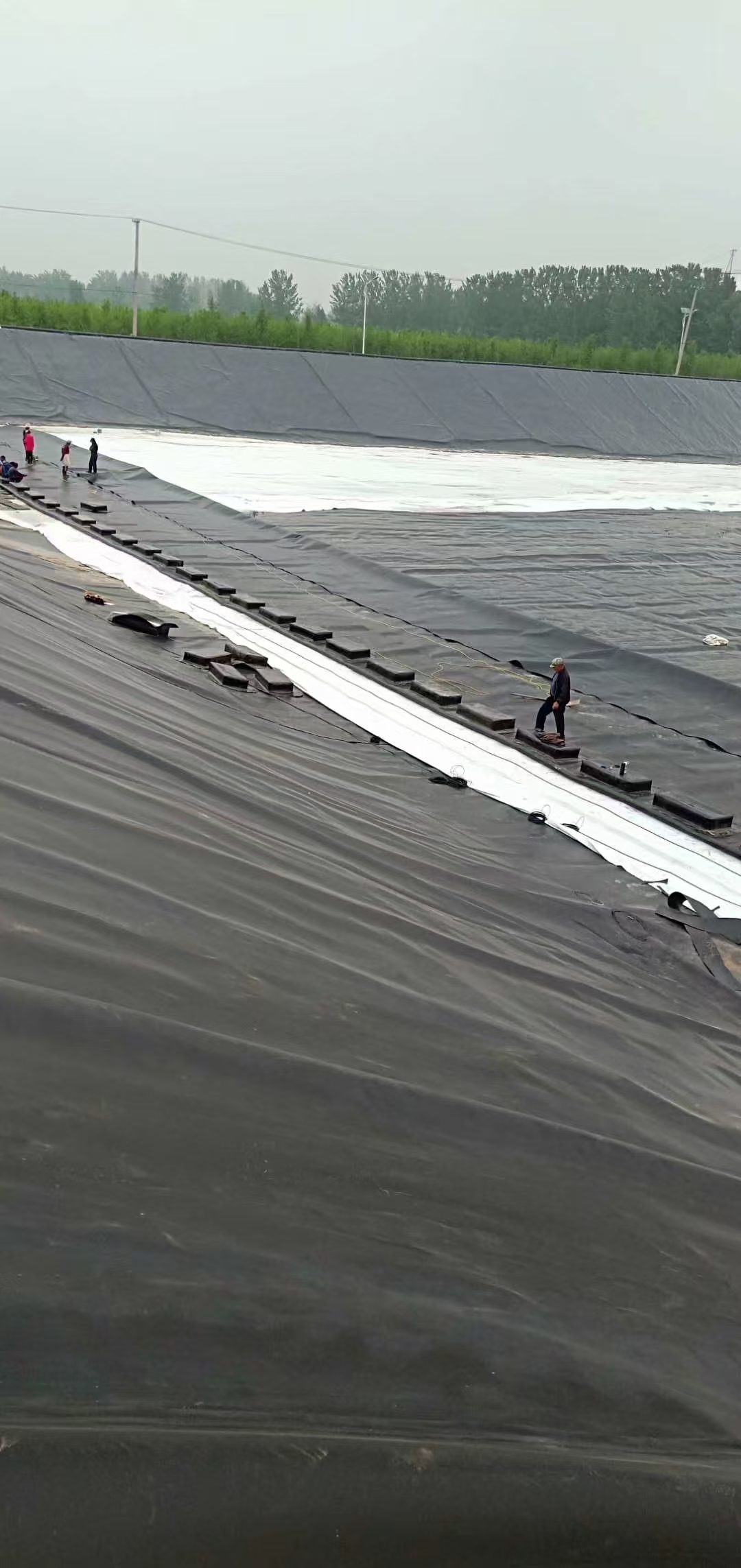
A landfill base lining is a system, not a sheet. The layers below and above the membrane decide whether the liner survives installation and service.
Learn more